Hunting feral hogs in Texas: rules, rifles and calibers
Feral hogs are the one animal in Texas you can hunt all year, day or night, with no bag limit. Texas A&M AgriLife reports that more than 3 million feral hogs cause more than $500 million in damage to agriculture and private property in the state each year. Around Waco, the Brazos, Bosque and Leon river bottoms are prime hog country, and many farmers and ranchers welcome hunters who help thin them out. This guide covers the rules as of September 2026 and the rifles that work best.
No season and no bag limit
Texas Parks and Wildlife Department classes feral hogs as an exotic, non-protected species. There is no closed season and no bag or possession limit. The department puts it plainly: since feral hogs are not protected, they may be taken at any time on private property.
Do you need a hunting license?
Senate Bill 317, which took effect September 1, 2019, removed the license requirement for hunting feral hogs on private property with the landowner's authorization. The details:
- Private land with permission: no hunting license needed, for residents and nonresidents alike.
- Private land without permission: that is trespassing, and hunting without a license as well.
- Hunter education: the hunter education requirement still applies to anyone born on or after September 2, 1971.
- Paid hunts: a landowner who charges for hog hunting access still needs a hunting lease license from the department.
- Public land: you need a hunting license and the right public hunting permit, such as the Annual Public Hunting Permit.
Night hunting, lights and thermal
Hogs are most active at night, especially in summer, so much Texas hog hunting happens after dark. State hunting rules ban artificial light on game animals, but feral hogs are not game animals, and the department says they may be taken at any time on private property. Many hunters use thermal or night-vision optics, lights and suppressed rifles on private land. Know your backstop, confirm your target before you shoot, and make sure deer and livestock are not in the line of fire. On Texas Parks and Wildlife public hunting lands, shooting hours for feral hogs are daylight only.
Helicopters and trapping
Shooting hogs from a helicopter is legal in Texas only under an aerial wildlife management permit issued by Texas Parks and Wildlife, with written landowner authorization. Permitted operators may take paying gunners along on depredation flights. If you want to hunt from the air, book with an operator who holds that permit. Trapping hogs on private property is also legal, but live hogs may be moved or released only in compliance with Texas Animal Health Commission rules, which exist to stop the spread of disease.
Other rules that still apply
- Roads: never shoot on or across a public road.
- Cities: many cities, including those around Waco, regulate firing a gun inside city limits, which state law allows.
- Suppressors: legal to hunt with in Texas when you follow federal, state and local law.
- Deer seasons: if you hunt hogs from a deer blind in season, respect the landowner's rules on deer.
Choosing a caliber
A mature boar can top 200 pounds, with a thick shoulder shield of gristle. Shot placement behind the ear or through the shoulder matters more than caliber, but some cartridges make the job easier:
- .223 Remington and 5.56 NATO: fine for young and medium hogs with bonded or solid copper bullets and good placement. Light recoil helps with fast follow-up shots.
- .300 Blackout: hits harder than .223 at close range and runs quietly suppressed with subsonic loads. Popular for night hunting over feeders.
- 6.5 Grendel and 6.8 SPC: more energy than .223 from an AR-15 size rifle.
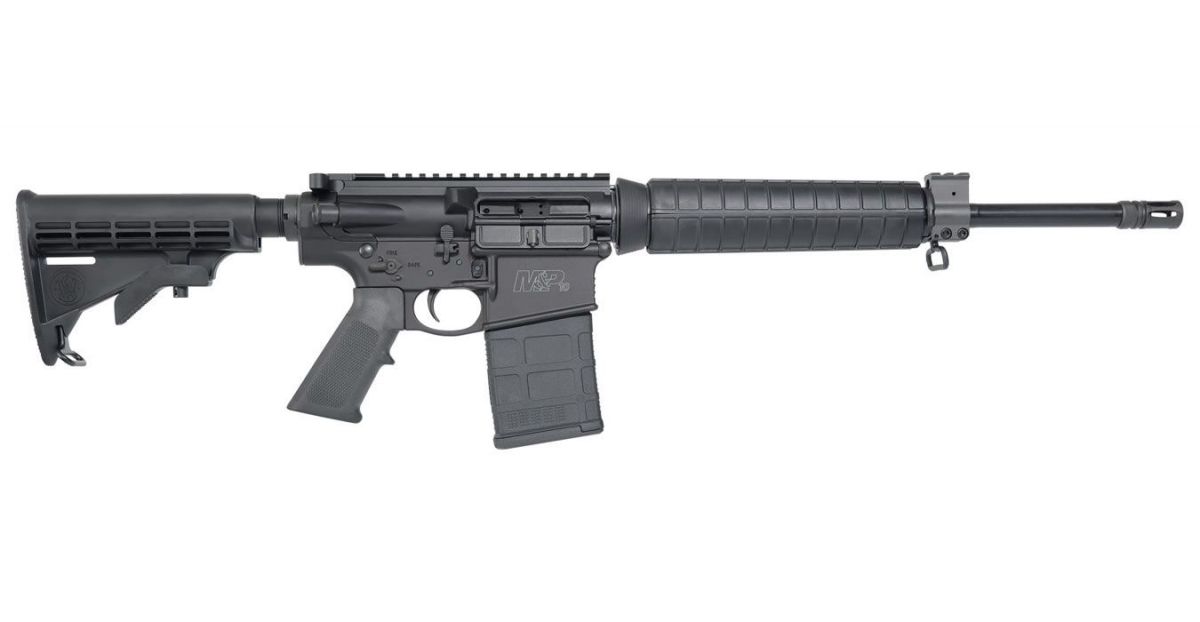
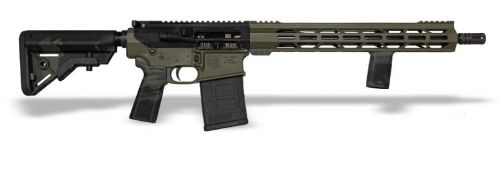
- .308 Winchester and 6.5 Creedmoor: enough for the biggest boars at any reasonable distance, in bolt guns or AR-10 rifles.
- .30-06 and .270: if you already own a deer rifle, it will do the job.
- 12-gauge with buckshot or slugs: for close work in thick cover or at a trap.
Choosing a rifle
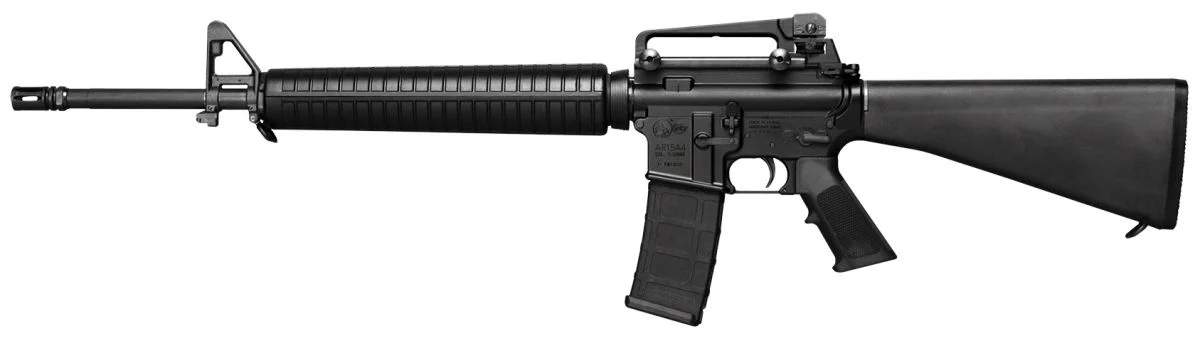
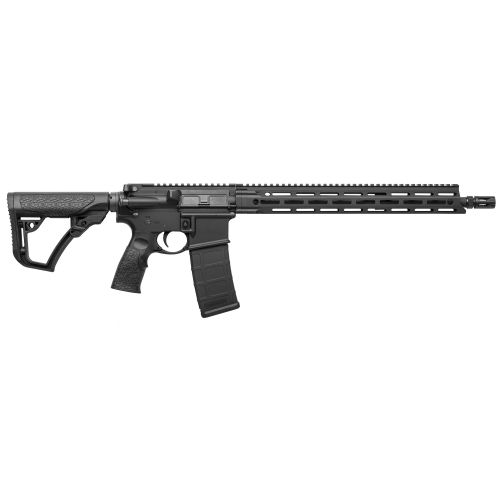
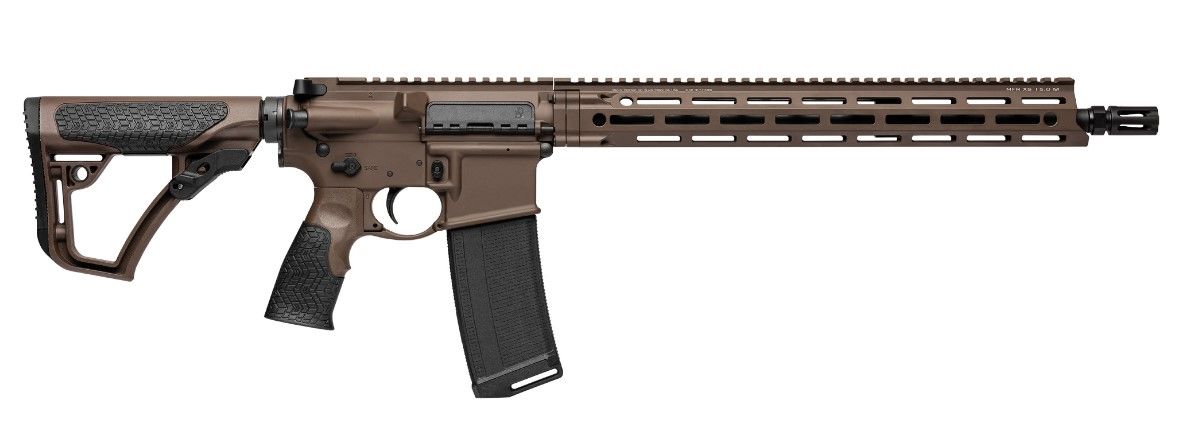
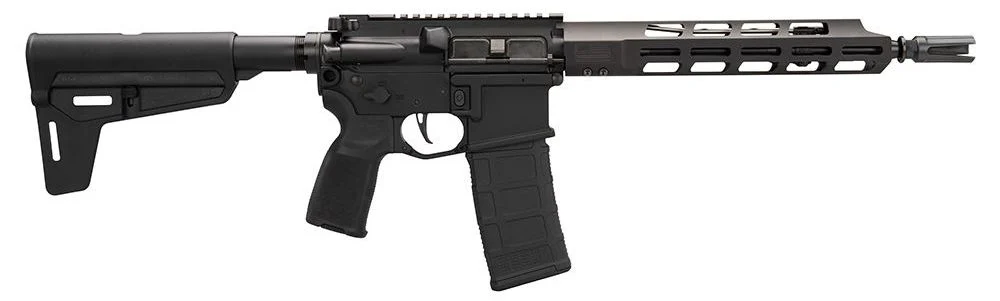
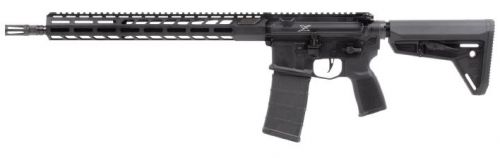
The semi-automatic AR-15 is the most common hog rifle in Texas, because hogs travel in sounders and a quick second shot often counts. A 16-inch barrel, a free-float handguard, a good sling and a mount for a thermal or night-vision scope make a practical setup. For bigger boars and longer shots across fields, an AR-10 in .308 or 6.5 Creedmoor or a bolt-action deer rifle works well. A lever-action carbine or pump shotgun is handy for following a wounded hog into brush.
Optics and accessories
- Thermal scope or monocular: the most effective tool for finding hogs at night.
- Weapon light: for close shots near feeders and traps.
- Bipod or shooting sticks: for steady shots across a field.
- Good boots and gloves: river bottoms are muddy, and a wounded hog can be dangerous.
Where hogs are around Central Texas
Hogs follow water and crops. Around Waco, Marlin and Hillsboro, look along the Brazos River bottom and creeks feeding it. Farther east, the Trinity River bottom near Corsicana and Mexia, including Richland Creek Wildlife Management Area, holds plenty. Around Bryan the Brazos and Navasota bottoms do too. Ask landowners and neighbors; many will let you hunt in exchange for thinning the herd.
Handling the meat
Feral hog meat is good to eat but can carry diseases such as swine brucellosis. Wear gloves when field dressing, and cook pork thoroughly.
Buying a hog rifle
Texas has no permit to buy and no waiting period, so a new rifle can be in the field within days. Browse rifles, optics and ammunition; rifles ship to the dealer you choose and ammunition ships to your door. See Texas gun laws for transport rules, the deer season guide for fall dates, and the gun shop directory for your town.
General information, not legal advice. Current as of September 2026. Laws change; check the official source before you act.